

The more I write about management and wisdom and those memorable moments where the two intersect, the more I appreciate that the best stories aren’t confined to any particular industry. They are moments we all relate to and have experienced, regardless of the careers we choose.
Here’s a moment that happened more than forty years ago. It shaped my way of managing, and I’ve never forgotten it. Maybe you’ve had a moment like this, too.
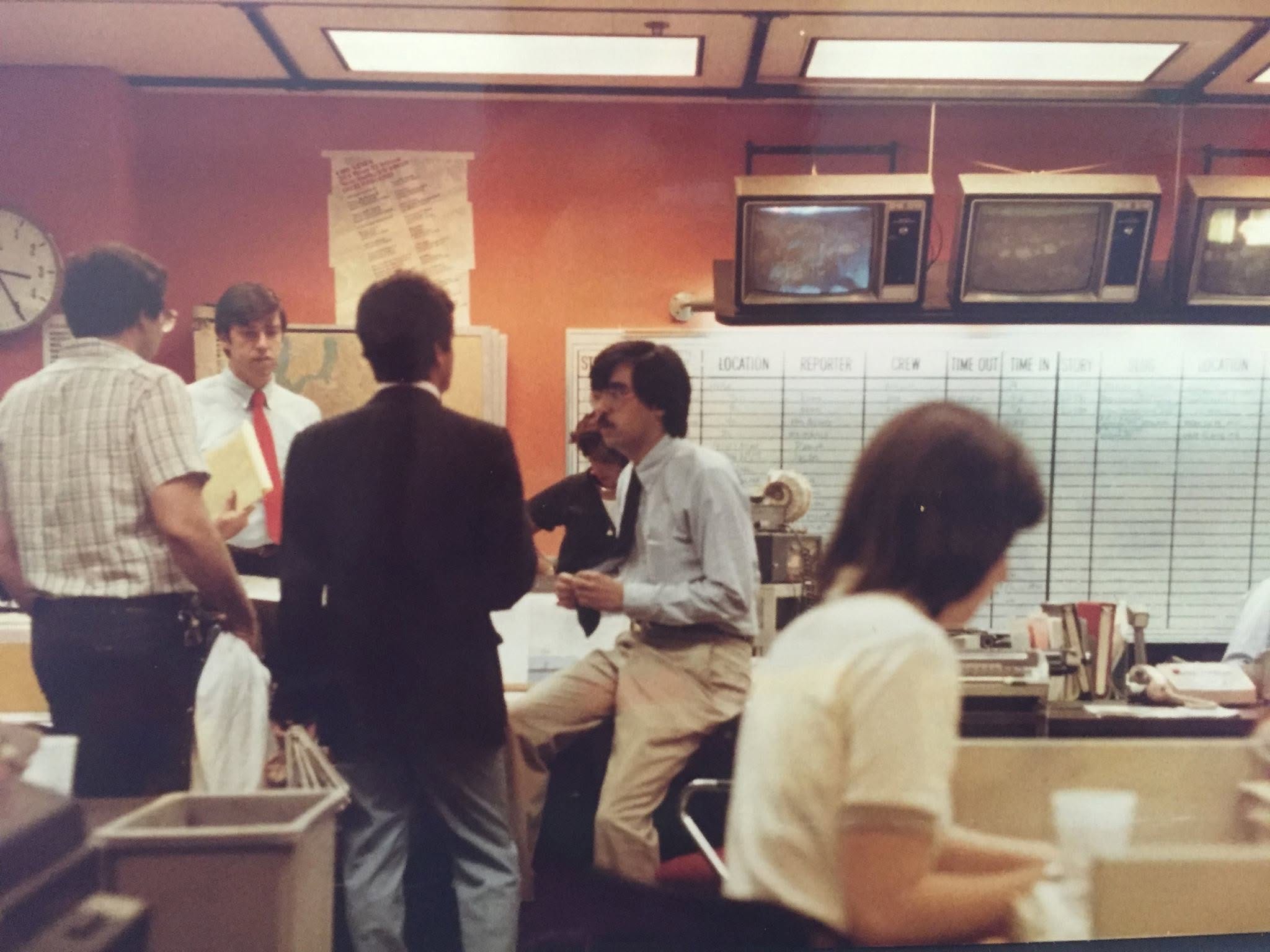
In February 1983, the “new” Channel 2 newsroom at WCBS-TV in New York was about four years old, though you wouldn’t have known it from the floor. People smoked at their desks, dropped their cigarette butts and ground them out with their shoes. I’d like to tell you the environmentally conscious people delivering the news picked them up afterward, but they didn’t. The overnight cleaning crew did, often shaking their heads.
Compared with other newsrooms in town, ours wasn’t much to look at. We were scrappy. In more ways than one.
I ran the evening assignment desk, deciding where to send reporters and live crews. I didn’t have a management title. In fact, I was in a union. But our evening executive producer, Peter Landis, trusted my judgment, and so did the others. I learned to make decisions quickly, explain my reasoning, and recognize when somebody else had a better idea. We believed the best idea should win, regardless of who offered it. And we always thought about our viewers.
It was a young, ambitious group, and there was something wonderful about being part of it. We challenged one another, sometimes argued, and shared the satisfaction of working alongside people who were good at what they did. It’s always good when you’re on a team like that.
That February had been an exceptionally good ratings month for us. Nielsen and Arbitron, the two ratings services that measured audiences, showed we had a chance to win the month. That mattered enormously. Sweeps ratings helped determine the advertising rates stations could charge.
Our news director, Frank Gardner, and general manager, Peter Lund, were relatively new to WCBS-TV. Both had enjoyed success in Chicago before coming to New York, and both quickly earned the admiration of the newsroom. Frank was a superb news director, and Peter arrived with a reputation as one of the best managers in broadcasting. They knew one another well, respected one another’s judgment, and brought an unmistakable determination to win.
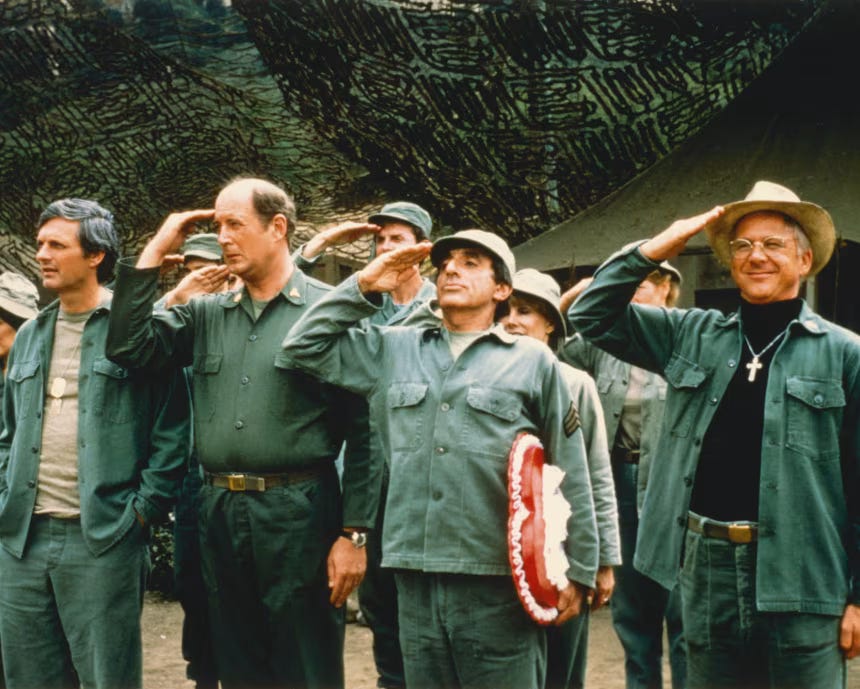
On that Monday night, CBS was broadcasting the final episode of M*A*S*H, an extraordinary television event that promised an enormous audience flowing into our eleven o’clock news. We knew we’d have a big night. The question was whether we could make it big enough to win the entire February ratings period.
Our eleven o’clock executive producer, Peter Landis, and producer Paul Sagan had been doing the math all month. Paul knew, down to the hundredth of a ratings point, precisely what we’d need on the final night to overtake the competition. We’d been discussing every advantage we could give ourselves, including an unusual idea: go seamless.
Normally, ninety seconds of commercials separated the end of a network program from the start of our late local newscast. Three thirty-second spots. Plenty of time for viewers to change channels, turn off their televisions, or head to bed.
But what if we eliminated that end break of commercials and started the news immediately after M*A*S*H? Could we hold enough of that enormous audience to win the entire month?
Frank swung by and asked what we were discussing. Landis and Sagan explained the calculations, the opportunity, and the idea of eliminating the commercial break.
Almost on cue, Peter Lund walked up to us.
He asked about the evening and what we were discussing. Frank faithfully presented what he’d just heard. He didn’t claim the idea as his own or embellish the calculations. He simply recognized a good idea and made certain Peter understood it. Frank and Peter were comfortable with each other, and it showed.
Frank finished his explanation with a simple question:
“What do you think?”
Peter listened. Then he explained something we hadn’t fully weighed.
The Sales department had sold out the program, and those three commercials were worth approximately $10,000 apiece that particular evening. We knew Sales had done a terrific job. We didn’t know the numbers. For perspective, a normal night might fetch about $1,200 a spot.
Frank was head of the newsroom, but Peter Lund was head of the station, the flagship of CBS. Our idea of going seamless would mean surrendering $30,000 in advertising revenue that the station would never recover.
Peter was quiet for about three seconds, though it felt much longer. Anticipation always does that to you.
Then he looked at Frank.
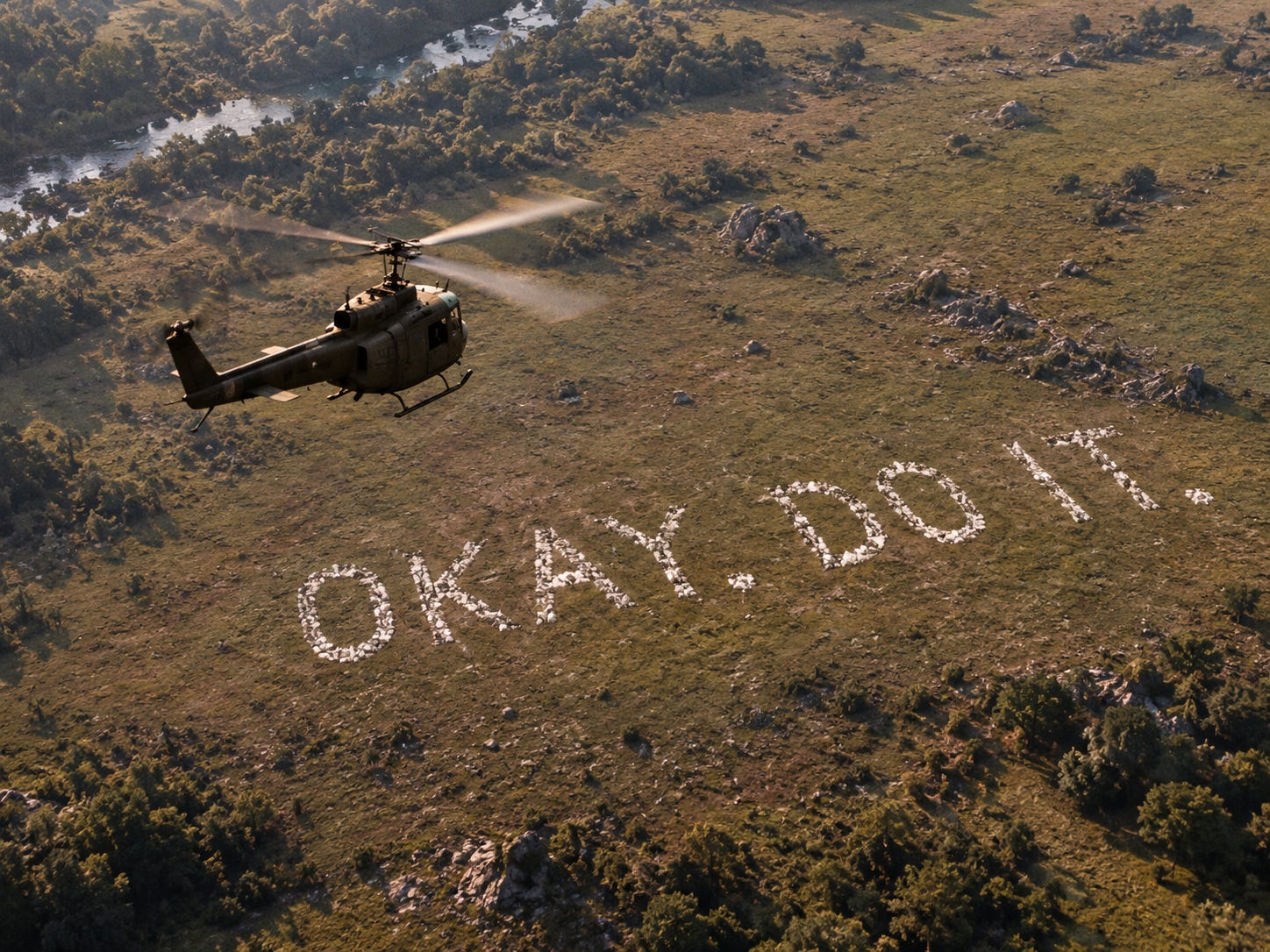
“Okay. Do it.”
And walked away, back to his office.
We’d wanted to win all month. Now our general manager had put $30,000 behind our judgment, and we had a newscast to produce. We were pumped, and we delivered one of the best newscasts we’d ever produced.
The next morning, the ratings were in. We’d won the night handily, and more importantly, the rating was large enough to lift our average for the entire February ratings period into first place. One night had changed the outcome of an entire month.
That newsroom produced some remarkable careers. If this were a movie, here’s where the closing credits might tell you what happened to everybody.
Peter Lund, CEO of CBS. Frank Gardner, Scripps Television. Peter Landis, New York 1. Paul Sagan, CEO of Akamai.
The careers made some interesting circles, too.
I eventually went to WBBM-TV in Chicago myself, helping restore ratings, before returning to WCBS-TV. Years later, I found myself a general manager, responsible for the kinds of decisions I’d once watched Peter Lund make.
And trust me, not too many days went by without my thinking about Frank or Peter.
I had my own “let’s blow the end break” moments with the teams I managed. But I never forgot what it meant to work for people who listened, who understood that the best idea didn’t necessarily come from the highest-ranking person in the room, and who were willing to put something at risk when somebody made a good case.
Those conversations were rare in television stations even then. As decision-making became more centralized, they became rarer still. I suspect that’s true in plenty of other businesses, too.
Management and Wisdom.
Two different words for good reason.